Signs Your Roof Might Be Damaged by Storm
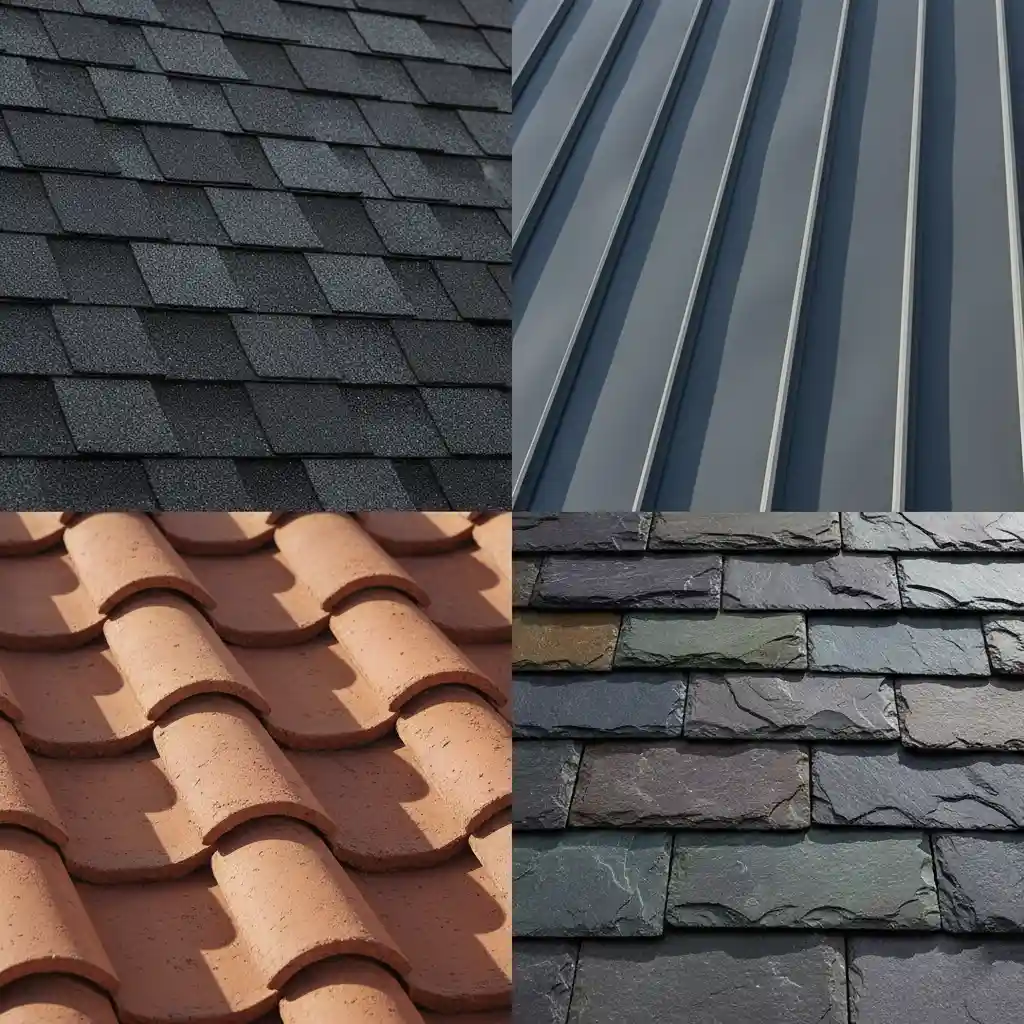
- Missing or displaced shingles: After a storm, check for any missing or curled edges of shingles. These can expose your roof to further damage.
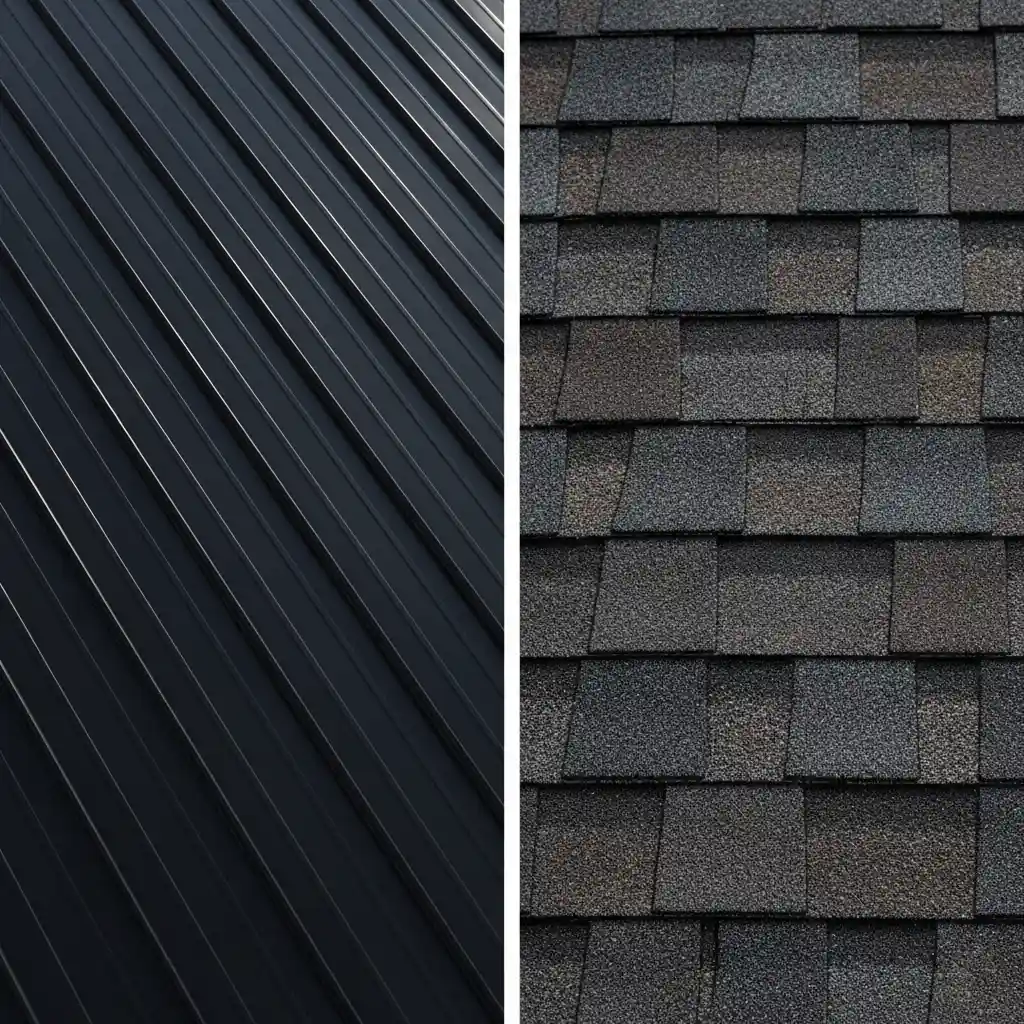
- Hail marks: Hail stones can leave distinct dents on the surface of asphalt and metal roofs. Look for these signs of impact.
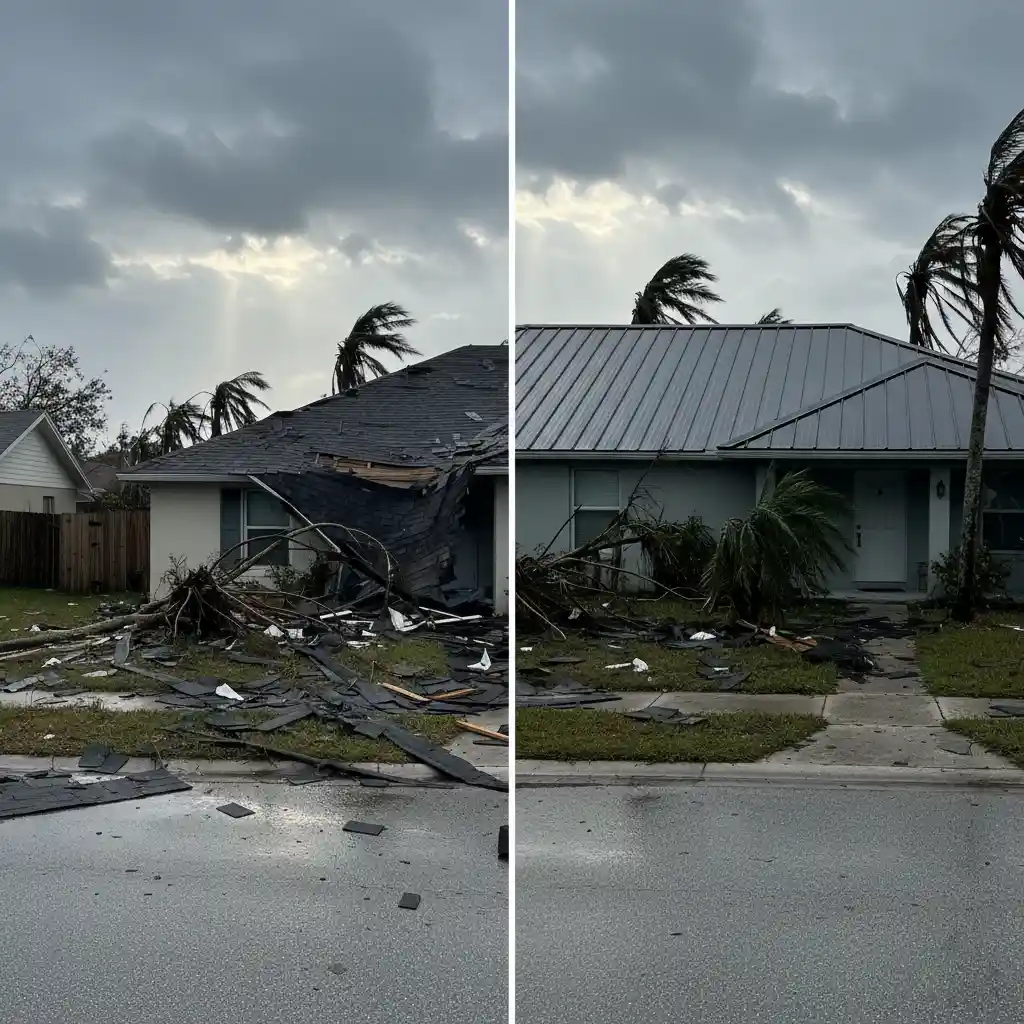
- Sagging or broken sections: A storm’s strong winds might cause sagging, curling, or even breakage in your roof panels or shingles.
- Water leaks: If you notice water seeping through the ceiling or walls after a storm, it could indicate damage to your roof that needs immediate attention.
The Insurance Claims Process
Once you’ve identified potential damage, the next step is to file an insurance claim. Here’s what you need to know:
- Document everything: Take photos and videos of any visible damage. This will serve as evidence for your insurance company.
- Contact your insurer: Call your insurance provider immediately to report the damage and schedule an inspection.
- Get a professional assessment: Request that an independent inspector or a licensed roofer assess the extent of the damage. This ensures you get a fair estimate for repairs.
When to Call a Professional for Emergency Repairs
In some cases, immediate action is necessary to prevent further damage:
- Water leaks: If water is leaking through your roof or causing structural issues, call a professional right away.
- Hail damage: Severe hail can cause significant damage and increase the risk of leaks. Don’t wait for it to get worse.
- Sagging or broken sections: These signs indicate that your roof is compromised, potentially leading to more serious issues if left unattended.
Practical Tips for Storm Damage Repair
Here are some practical steps you can take when repairing storm damage on your roof:
- Secure loose shingles: Use roofing nails or adhesive to reattach any displaced shingles.
- Apply sealant: For minor hail damage, apply a high-quality roof sealant to protect the surface from further harm.
- Replace damaged sections: If parts of your roof are severely damaged or missing, consider replacing them with new shingles or panels.
Pitfalls Homeowners Usually Miss
Many homeowners make these common mistakes when dealing with storm damage:
- Failing to document the damage properly: Insufficient evidence can lead to disputes over the extent of repairs needed.
- Overlooking hidden damage: Damage may not be visible from the ground, so a professional inspection is crucial.
- Taking on too much work yourself: Some repairs require specialized skills and tools. It’s best to leave them to professionals to ensure proper results.
Closing Action Section
If you suspect storm damage to your roof, take action immediately. Document the damage thoroughly, file an insurance claim, and seek professional advice for a thorough assessment. Remember, early intervention can save you from more extensive repairs down the line.
Minor
Few shingles, DIY may work
Moderate
Multiple areas, consider pro
Severe
Structural damage, call professional
How do I know if my roof needs professional repair?
If you notice water leaks, missing or damaged shingles, or visible hail damage, it’s best to call a professional roofer. They can provide a proper assessment and ensure the job is done correctly.
What should I do if my insurance company disputes the damage?
If your insurer disputes the damage, you can request a second opinion from another independent inspector. Keep detailed records of all communications and evidence to support your case.
How long should I wait before starting repairs?
It’s best not to wait too long, especially if there are signs of water damage or structural issues. Delays can lead to further damage and increased repair costs.
Can I do all the repairs myself?
For minor repairs, you might be able to handle it yourself. However, for more extensive damage or specialized work, professional help is recommended.
What should I do if my insurance doesn’t cover the full cost of repairs?
If your insurer won’t cover all costs, you may need to pay for additional repairs out-of-pocket. You can also explore other financing options or check if there are any grants available.
For more information on roof damage assessment and repair, contact your local pest control professional or roofing contractor. They can help you navigate the process and ensure that your home is safe and secure.