Roof Repair vs. Replacement: Which One Do You Really Need?
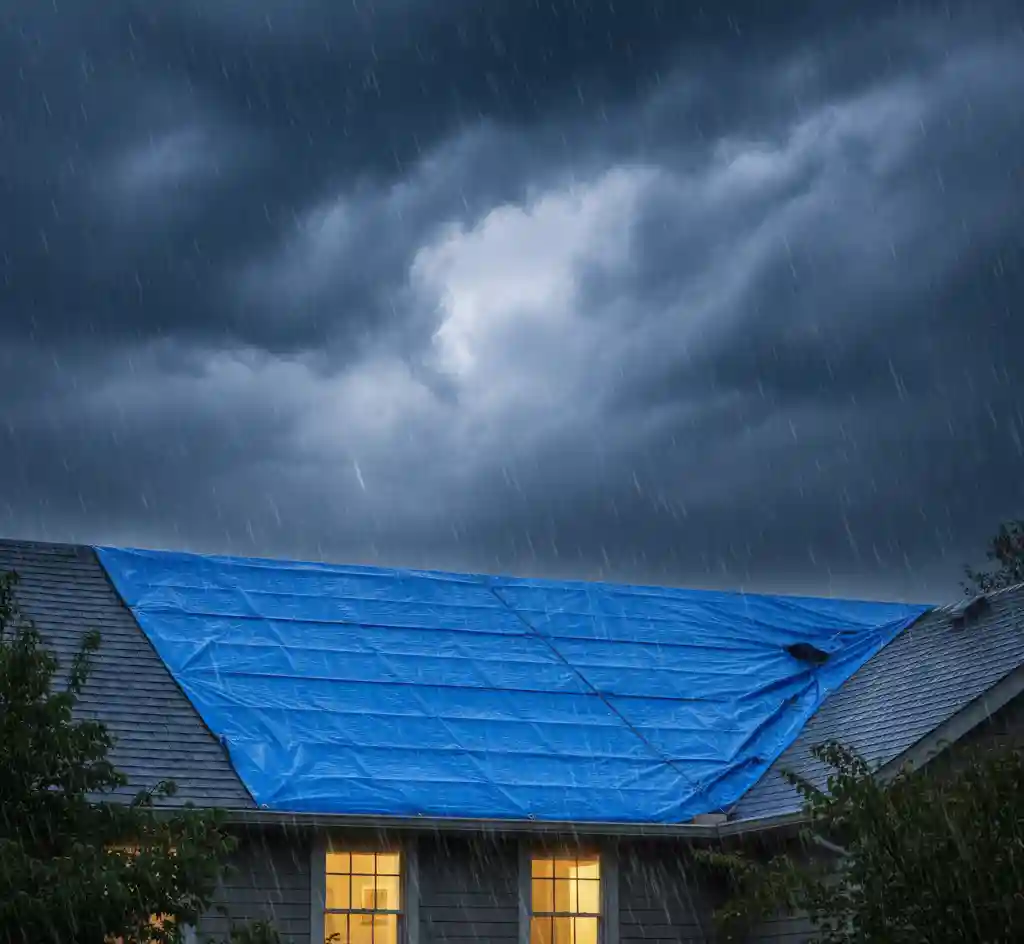
It’s the homeowner’s dilemma: You spot a leak or see a missing shingle on your lawn. Do you pay a few hundred dollars for a quick patch, or is it time to bite the bullet and invest thousands in a brand-new roof?
Making the wrong choice can be costly. Patching a roof that is already “dead” is like putting a band-aid on a broken leg—it won’t hold. On the other hand, tearing off a roof that still has 10 years of life left is a waste of money.
In this guide, we’ll help you decide using the “50% Rule” and a detailed cost breakdown.
The “50% Rule”: A Simple Rule of Thumb
Many roofing contractors follow a general guideline known as the 50% Rule:
If the damaged area covers more than 50% of your roof’s surface, or if the cost of repairs approaches 50% of the cost of a full replacement, you should replace the roof.
Why? Because extensive repairs are labor-intensive. At a certain point, it becomes more economical to start fresh with a new warranty than to keep paying for endless patch jobs.
When to Choose Repair (Patching)
If your roof is relatively young and the damage is localized, a repair is likely your best option.
-
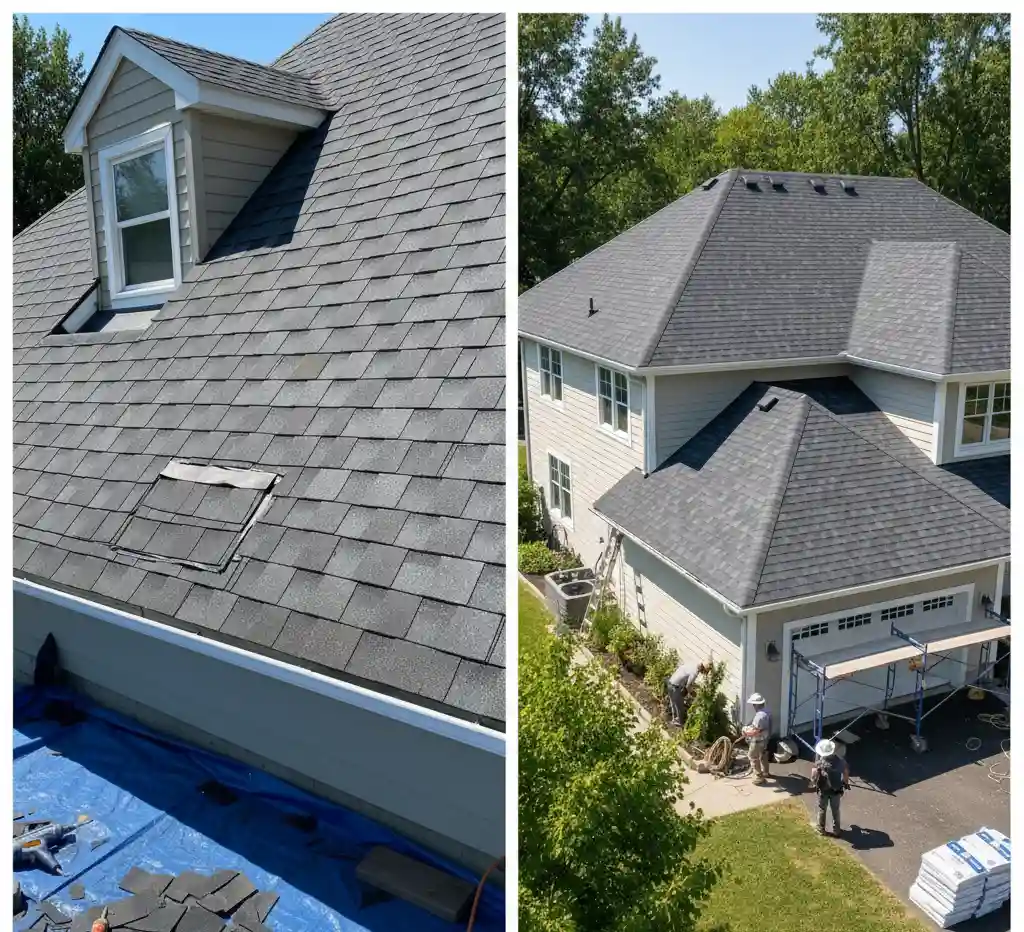
Minor Wind Damage: A few missing shingles after a storm can be easily replaced.
-
Flashing Issues: Leaks around chimneys, vents, or skylights are often caused by loose flashing, not failing shingles.
-
Newer Roof: If your asphalt shingle roof is under 15 years old, it likely has plenty of life left.
-
Budget Constraints: If a replacement isn’t financially possible right now, a repair can buy you time (6–12 months) to save up.
When to Choose Replacement (New Roof)
You shouldn’t just patch the roof if you see these “red flags.” These signs indicate the entire roofing system is failing.
-
Age: Your asphalt roof is 20+ years old.
-
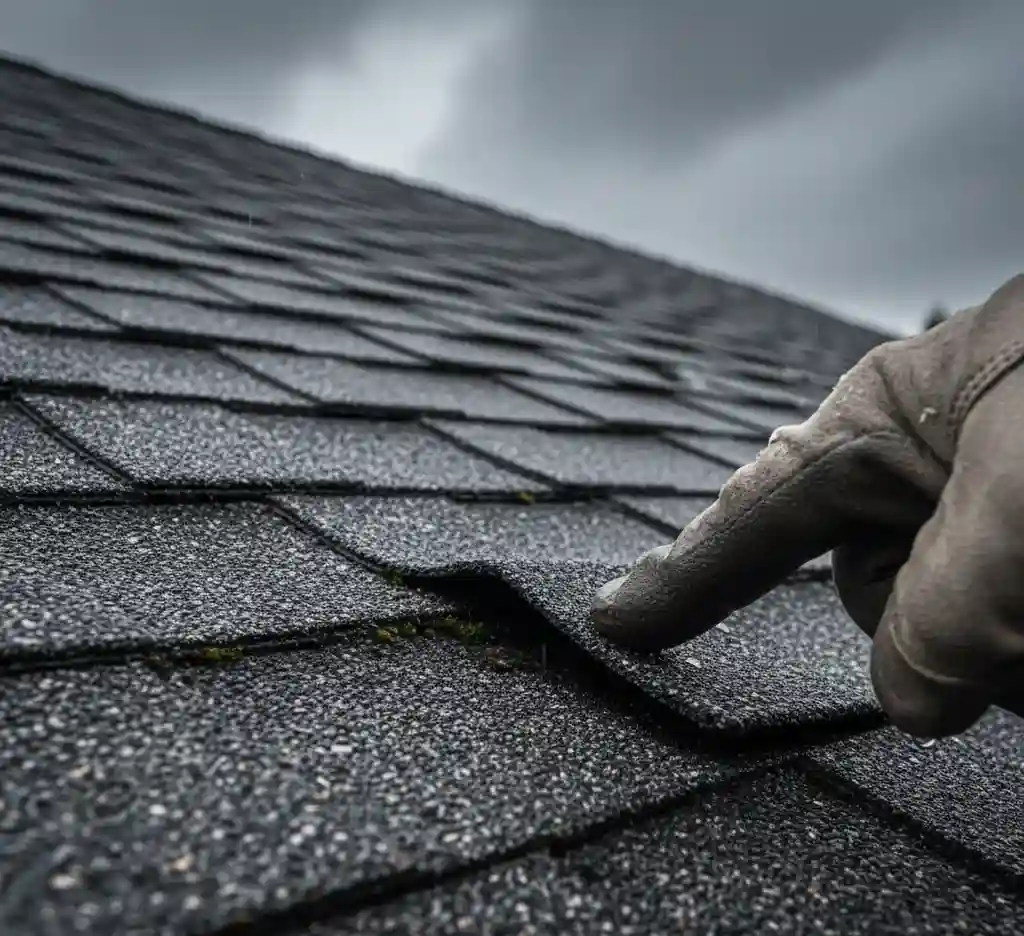
Curling Shingles: The edges of the shingles are curling upward or buckling. This means the material has dried out and can no longer keep water out.
-
Granules in Gutters: If you find piles of sand-like granules in your gutters, your shingles are bald and baking in the sun.
-
Sagging: If the roofline looks droopy or sagging, this indicates structural issues with the decking underneath. This is an emergency.
Cost Comparison: Repair vs. Replacement
Price is the biggest factor for most homeowners. Below is a breakdown of what you can expect to pay in 2025.
| Project Type | Average Cost Range | What It Includes |
| Minor Repair | $350 – $750 | Replacing a few shingles, sealing a vent, or fixing a small leak. |
| Moderate Repair | $800 – $2,500 | Repairing a 10×10 section, fixing chimney flashing, or replacing valley metal. |
| Full Replacement | $5,700 – $12,500+ | Tearing off old roof, new underlayment, new shingles, flashing, and cleanup. |
Pros & Cons at a Glance
Still undecided? Use this table to weigh your options.
| Feature | Roof Repair | Roof Replacement |
| Cost | Low (Short-term) | High (Long-term investment) |
| Lifespan | Extends life by 1-3 years | Lasts 20-50 years |
| Aesthetics | Patched area might not match perfectly | 100% uniform, boosts curb appeal |
| Warranty | Limited to the repair work only | New manufacturer warranty (25+ years) |
| Hidden Issues | Might miss underlying rot | Exposes and fixes all deck rot |
The Insurance Factor: Storm Damage
If your roof damage was caused by an “Act of God” (like a hailstorm, fallen tree, or tornado), you might not have to pay for the replacement yourself.
Most homeowner insurance policies cover full roof replacements for storm damage.
-
If you repair it: You pay out of pocket (often less than your deductible).
-
If you replace it: You only pay your deductible (e.g., $1,000), and insurance pays the rest (e.g., $10,000).
💡 Pro Tip: Before you file a claim, have a roofer verify the damage. Filing a claim that gets denied can still raise your premiums.
Conclusion: Make the Right Call
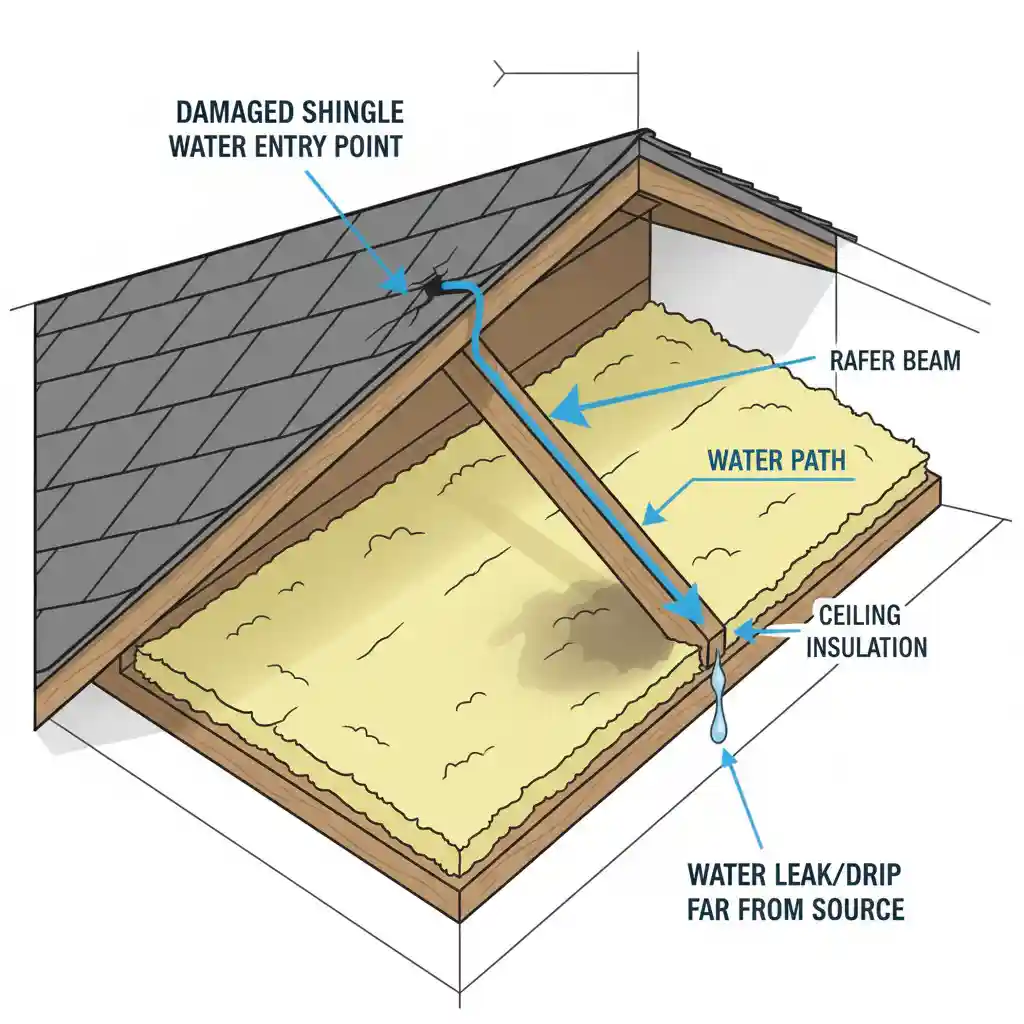
Ignoring a roof problem never makes it cheaper. Water damage spreads fast, rotting your attic beams and destroying insulation.
Our Recommendation:
-
If the roof is under 15 years old and damage is small -> Repair.
-
If the roof is over 20 years old or damage is widespread -> Replace.
-
Not sure? Get a professional opinion.
Most reliable contractors offer free, no-obligation inspections. They will climb up, take photos of the damage, and show you exactly what is going on so you can make an educated choice.