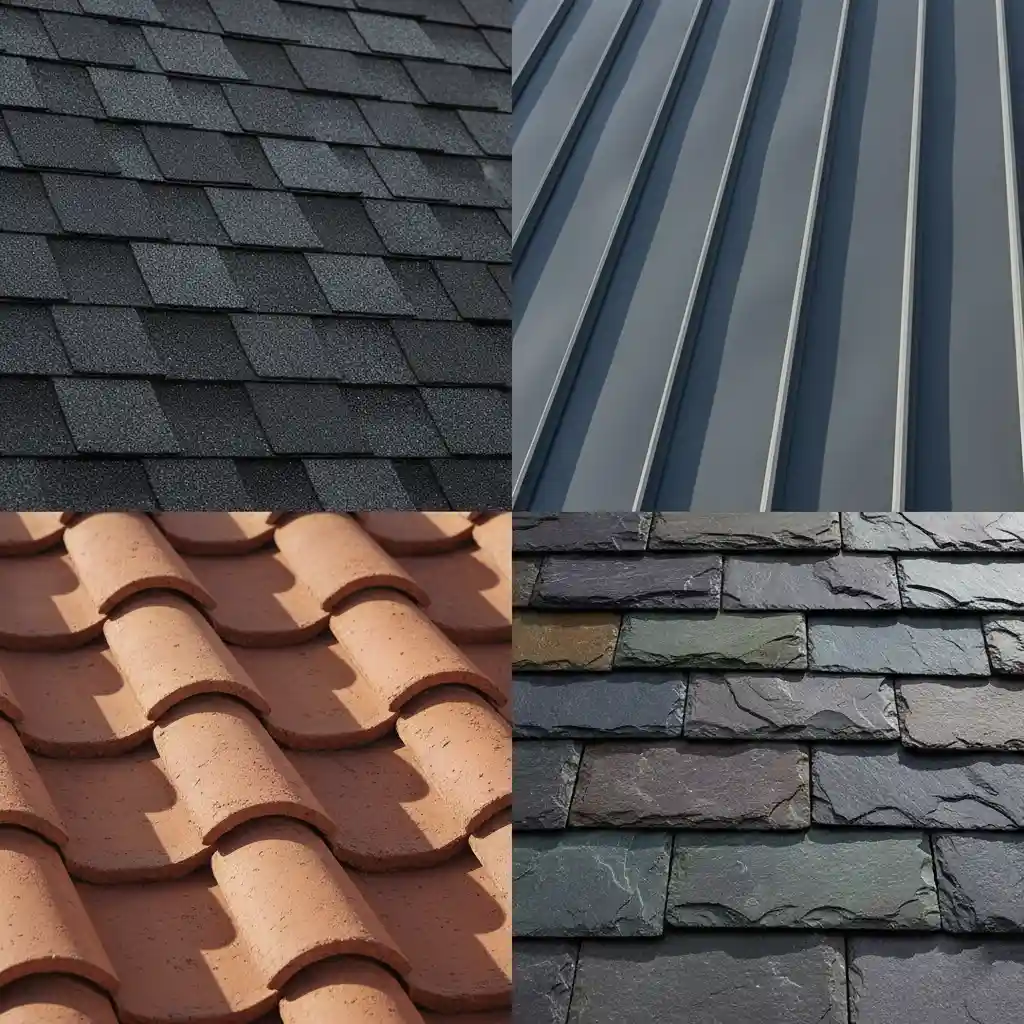
Let’s be honest for a second.
There is no such thing as a “disaster-proof” roof.
If a tornado drops a 200-year-old oak tree on your house, it doesn’t matter if your roof is made of asphalt, metal, or titanium. It’s going to break.
But outside of those catastrophic events, I see homeowners making the same mistake over and over again. They buy a roof based on color or price, completely ignoring where they live.
I’ve walked on roofs in Florida after hurricanes and in Texas after softball-sized hail. I’ve seen expensive roofs fail and cheap roofs survive. Why? Because the material didn’t match the threat.
Here is my unfiltered opinion on what you should actually put on your house if you live in a disaster zone.
The Hail Dilemma: Why I Have a Love/Hate Relationship with Metal
If you live in “Hail Alley” (Texas, Oklahoma, Colorado), every roofer will try to sell you a Metal Roof.
The Pitch: “Metal is invincible! Hail bounces right off!”
The Reality: Well… yes and no.
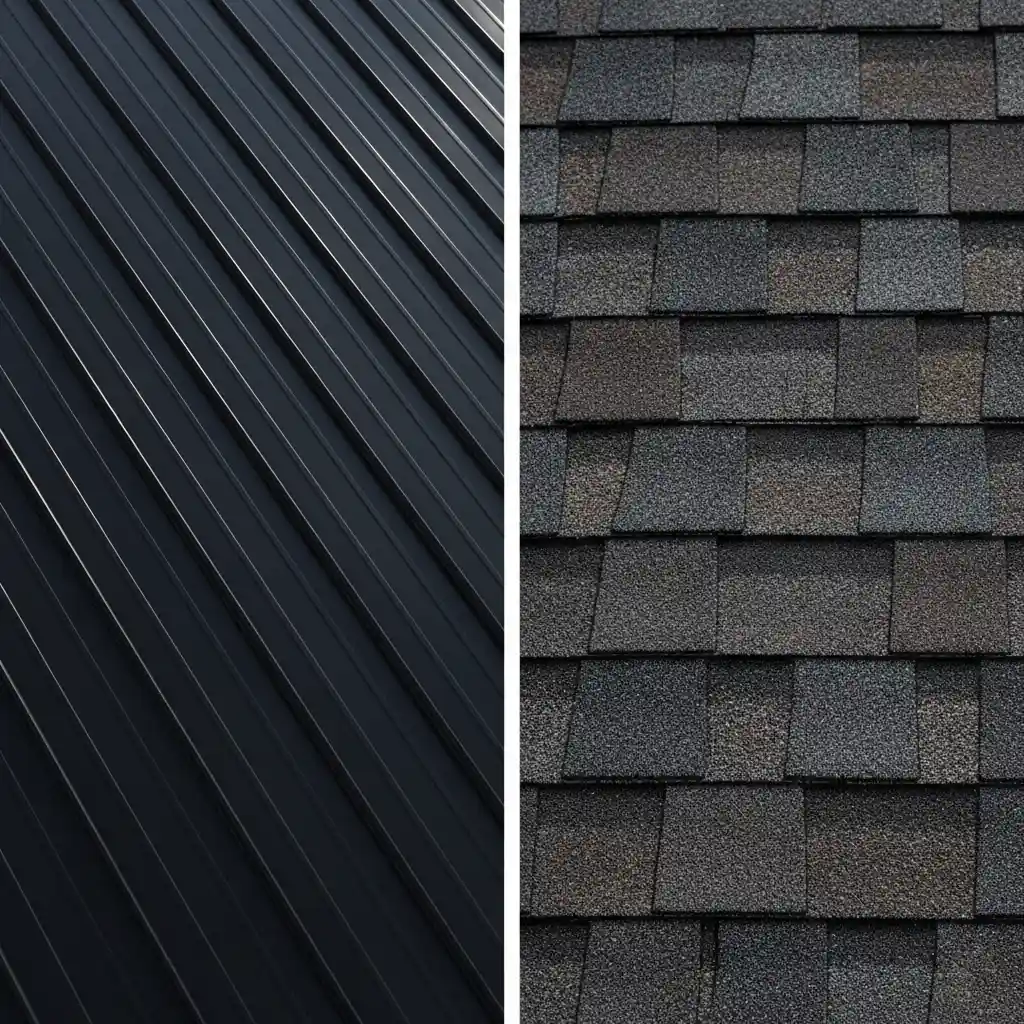
I agree, a standing seam metal roof will almost never leak from hail. It won’t crack like asphalt. It won’t shatter like clay tile. Structurally, it is a tank.
But here is the ugly truth no one tells you:
Metal dents. Badly.
I recall a house in Denver. The metal roof was structurally sound after a storm—zero leaks. But it looked like the surface of the moon. It was covered in thousands of golf-ball-sized divots.
The “Cosmetic Waiver” Trap
Here is the kicker: Many insurance policies have a “Cosmetic Damage Exclusion” for metal roofs. This means if the roof looks ugly but doesn’t leak, they won’t pay to replace it.
So, you just spent $30,000 on a metal roof, and now you are stuck with a dented tin can for the next 20 years.
My Verdict: If you buy metal in a hail zone, read your insurance policy first. If they exclude cosmetic damage, don’t do it.
The “Class 4” Shingle: Is It a Scam?
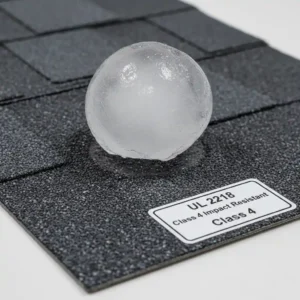
So, if metal is risky, you go back to asphalt shingles. But the salesman tells you to upgrade to “Class 4 Impact Resistant” shingles. They cost 20-30% more.
Are they worth it?
My experience:
For small to medium hail (up to ping-pong ball size)? Absolutely. They have a rubberized backing that acts like a trampoline. The ice hits it and bounces off without cracking the mat.
For giant, baseball-sized hail? Forget it. Nothing stops a chunk of ice falling at 100 mph. It will smash right through the plywood decking.
The Real Reason to Buy Them:
I don’t recommend Class 4 shingles because they are “invincible.” I recommend them because insurance companies love them.
In many states, installing a Class 4 roof gets you a 20-25% discount on your annual premium. That discount alone pays for the upgrade cost in about 3-4 years.
Wind & Hurricanes: The “Zipper” Effect
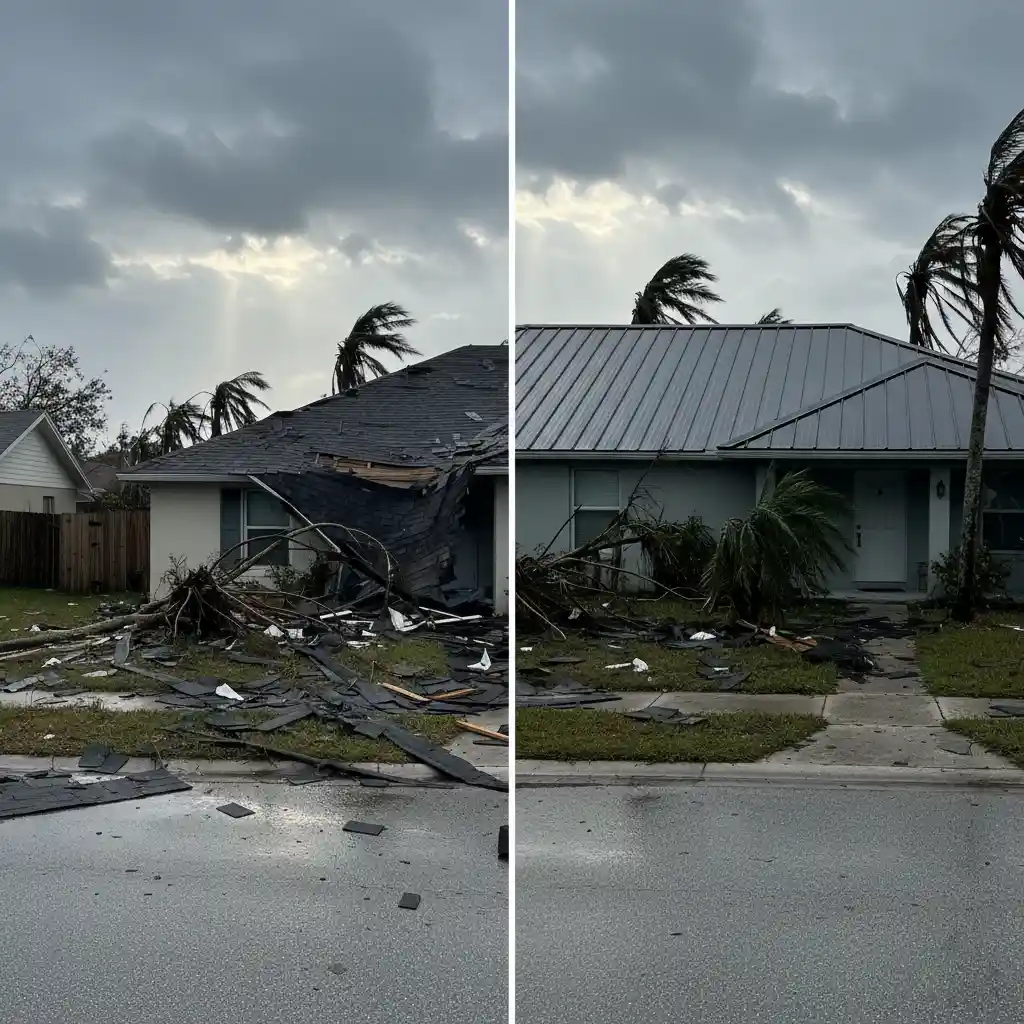
In high-wind areas (Florida, the Carolinas), I see asphalt shingles fail in a very specific way. We call it “zippering.”
One shingle lifts up. The wind gets under it. Then it peels the next one, and the next one. Before you know it, half your roof is in your neighbor’s pool.
Why I Prefer Metal for Coastlines:
Metal panels run vertically from the ridge to the eave. There are no horizontal tabs for the wind to grab onto.
If installed correctly (with clips, not exposed screws that rust), a metal roof can withstand 140+ mph winds without flinching.
If you must use shingles:
Don’t cheap out. Standard “3-tab” shingles are rated for 60 mph. That’s a joke in a hurricane zone. You need Architectural Shingles rated for 110-130 mph. And for the love of God, ask your roofer to use 6 nails per shingle instead of the standard 4. That extra 50 cents in nails can save your entire roof.
Fire: The West Coast Nightmare
I’ll keep this short because it makes me angry.
If you live in California or any wildfire-prone area, and you still have Wood Shakes (Cedar) on your roof, you are essentially living in a fireplace.
I don’t care how “rustic” and beautiful it looks.
When embers fly from a wildfire miles away, they land in the cracks of wood shakes. Dry wood + hot ember = house fire.
My Recommendation:
-
Best: Metal or Clay Tile (Non-combustible).
-
Good: Asphalt Shingles (Class A Fire Rated).
-
Never: Wood. Just don’t.
Summary: My “Cheat Sheet” for Selection
I know that was a lot. Here is how I would spend my own money depending on where I lived.
| Your Main Threat | My Top Pick | My “Avoid” List | Why? |
| Hail (Large) | Class 4 Asphalt | Standard Metal | Metal dents; cosmetic waivers will ruin your resale value. |
| Hurricane / Wind | Standing Seam Metal | 3-Tab Shingles | Metal has no tabs to lift up. Wind flows right over it. |
| Wildfire | Concrete Tile / Metal | Wood Shake | Do not put kindling on your roof. Period. |
| Budget / General | Architectural Asphalt | 3-Tab Shingles | 3-Tab is cheap for a reason. It fails first every time. |
Final Thoughts
A roof isn’t just a hat for your house; it’s a shield.
Don’t let a contractor sell you “the most expensive one” claiming it’s the best. The most expensive roof (Metal) is a terrible choice if your insurance won’t cover dents. The cheapest roof (3-tab) is a waste of money if you live on the coast.
Still not sure what your local code requires?
Building codes change after every major storm. What was legal 5 years ago might not be up to code today.
I recommend getting a local pro to inspect your current setup. Ask them: “What held up best in the last storm?” Their answer might surprise you.
🌪️ Is Your Roof Ready for the Next Storm?
Don’t wait for a leak to find out your material was the wrong choice. Connect with licensed local roofers who know your area’s weather patterns.
*100% Free Service. Local Experts Only.*