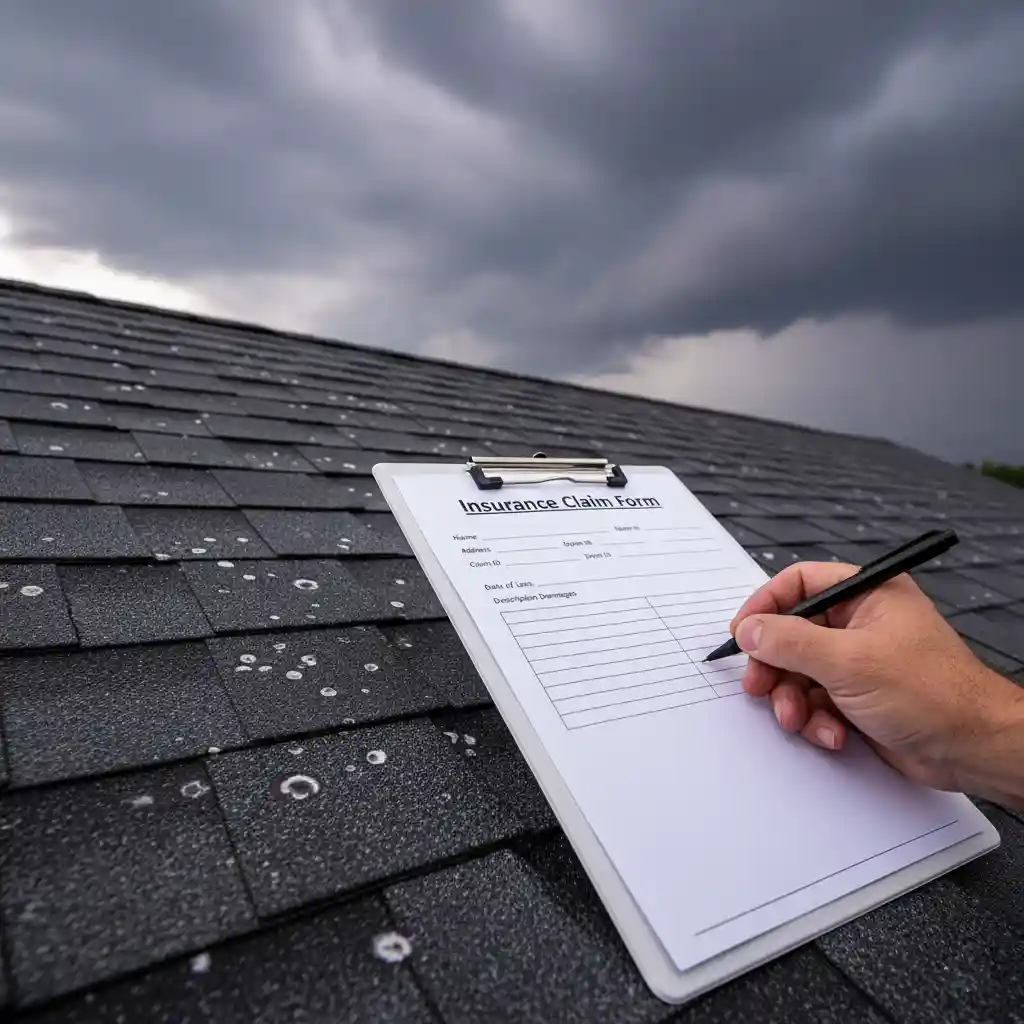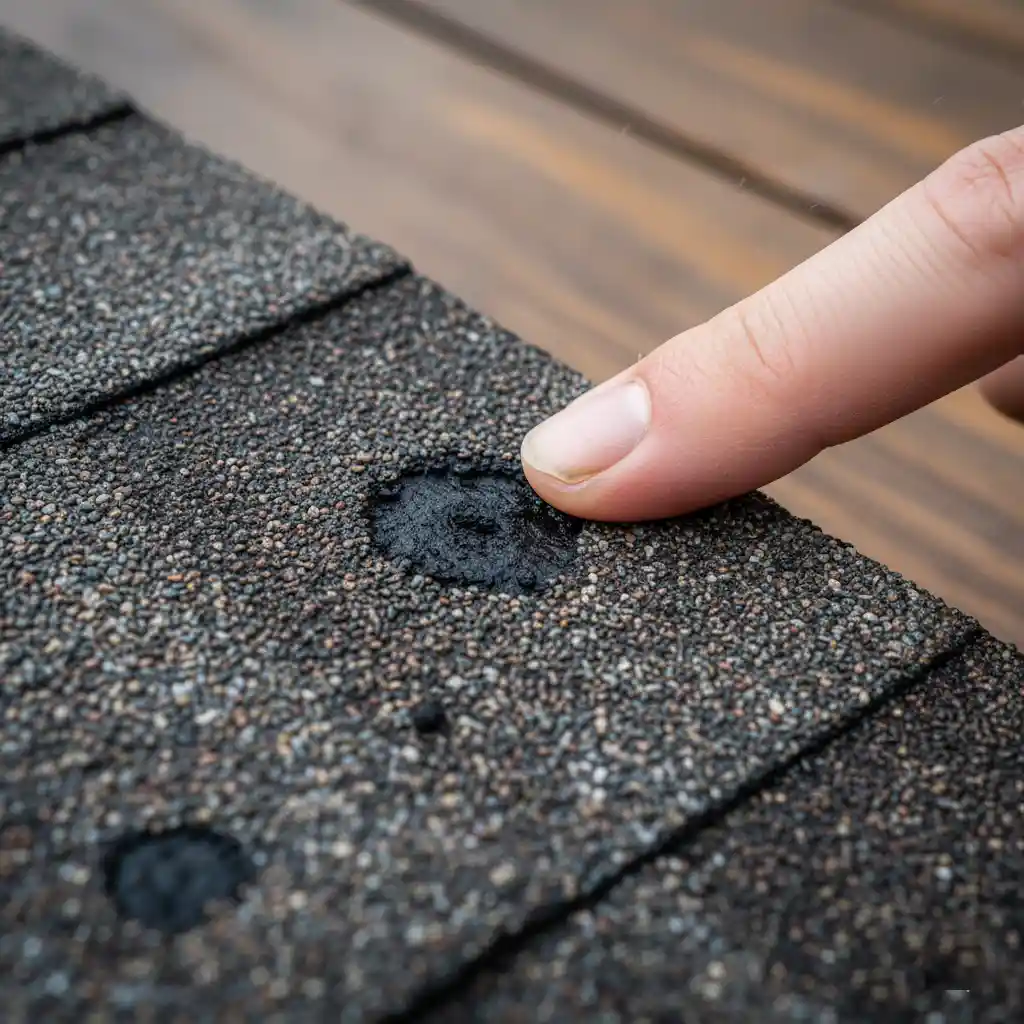
You did the right thing. You called three local roofers, they all came out, measured your house, and handed you an estimate.
Now you are sitting at your kitchen table looking at three pieces of paper. One quote is for
8,000∗∗.Thesecondis∗∗12,500. The third is nearly $16,000.
They all promised a “new roof.” They all seem nice enough. So, is the expensive guy trying to rip you off? Or is the cheap guy planning to cut corners that will cost you thousands in leaks two years from now?
The truth usually hides in the fine print—or more accurately, in what’s missing from the paper. Let’s look at what actually goes into those numbers.
The “Apples to Oranges” Material Trap
When you see a line item that just says “Install Asphalt Shingles,” you need to ask questions. Not all shingles are created equal.
The low-ball bidder might be using “builder-grade” 3-tab shingles that are rated for 60 mph winds. The mid-range quote is likely quoting architectural shingles rated for 110+ mph winds. That is a massive difference in quality, yet on paper, they both just say “Shingles.”
Check the brand and model. A quote specifying “GAF Timberline HDZ” or “Owens Corning Duration” tells you exactly what you are paying for. A quote that just says “30-year shingles” allows the contractor to buy whatever was on sale at the supply house that morning.
The Invisible Layer: Why Underlayment Matters
Most homeowners obsess over the color of the shingles, but the real waterproofing happens underneath. This is where budget roofers love to save money because you will never see it once the job is done.
Old-school felt paper (tar paper) is cheap and tears easily. Modern synthetic underlayment is tough, breathable, and waterproof. If one quote includes synthetic and the other uses cheap 15lb felt, the price difference is justified.
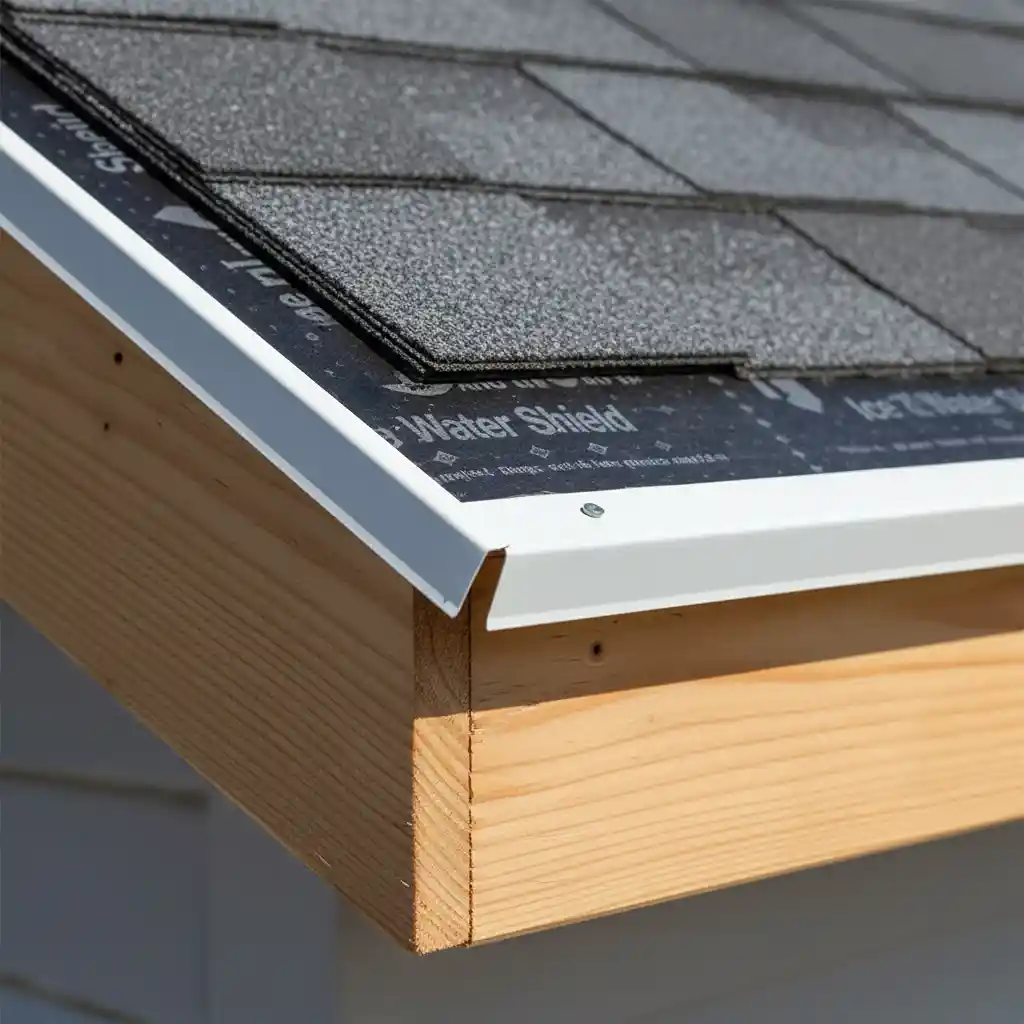
Watch out for the “Ice & Water Shield.”
This is a sticky, rubberized membrane that goes on the eaves (edges) and valleys of your roof. In many northern states, it’s code. In others, it’s just smart building practice. A cheap quote might skip this entirely or only use a narrow strip. If you live anywhere with snow or heavy rain, skipping this is a recipe for rot.
Flashing: Reuse vs. Replace
This is the number one cause of roof leaks. Flashing is the metal that seals the joints around your chimney, vents, and walls.
Removing old flashing takes time. It requires prying up siding and carefully integrating new metal. A contractor bidding low often plans to reuse your old flashing.
Think about it: Your old flashing is already 20 years old. It has rust holes and nail punctures. Putting a brand new roof over old, beat-up metal is like putting a tuxedo on over dirty gym clothes. Always ensure the quote specifies “Replace all step flashing and counter flashing,” not just “Re-seal existing flashing.”
The “Rotten Wood” Wildcard
Here is the scary part of every roofing contract. No roofer has X-ray vision. They don’t know if the plywood decking under your shingles is rotten until they tear the old roof off.
Honest contractors will include a line item for “Wood Replacement Cost.” It should clearly state: “Includes replacement of up to 3 sheets of plywood. Additional sheets billed at $75 per sheet.”
The dishonest strategy? They give you a super low starting price to get the job. Then, once your roof is torn off and your house is exposed, they tell you the whole deck is rotten and hit you with a surprise $3,000 bill for wood. You have no choice but to pay it.
Ask them upfront: “What is your cost per sheet if you find rot?” Get that number in writing before they start.
The Warranty Confusion
There are two warranties on your roof, and people often mix them up.
-
Manufacturer Warranty: This covers the shingles if they are defective. (Rare).
-
Workmanship Warranty: This covers you if the roofer installs them wrong and it leaks. (Common).
A contractor might wave a brochure saying “Lifetime Warranty!” That’s usually just for the material. If they nail the shingles incorrectly and they blow off next week, the manufacturer pays nothing. You need to know how long the contractor guarantees their own labor. One year? Five years? Ten?
A cheap quote often comes with a “tail-light warranty”—meaning the guarantee expires as soon as you can’t see their truck’s tail lights anymore.
Making the Final Call
Don’t just look at the bottom line number. Look at the details.
If Quote A is $3,000 cheaper than Quote B, look for what’s missing. Are they reusing vents? Skipping the drip edge? Using cheap felt?
A roof protects everything you own. The “cheapest” option is rarely the one that costs the least upfront; it’s the one that doesn’t leak next winter.
Need a second opinion on those numbers?
It helps to have a few options to compare. We can connect you with pre-screened local professionals who provide detailed, written estimates so you can see exactly what you’re paying for.