Which Roofing Material is Right for Your Home?
Choosing a new roof is one of the biggest decisions a homeowner will make. It’s not just about picking a color; it’s about balancing budget, longevity, aesthetics, and climate suitability.
With so many options on the market in 2025, from traditional asphalt shingles to modern metal systems, the choice can be overwhelming.
This guide breaks down the 5 most common roofing materials used in the United States, analyzing their pros, cons, and expected lifespans to help you make an informed decision.
1. Asphalt Shingles (The Most Popular Choice)
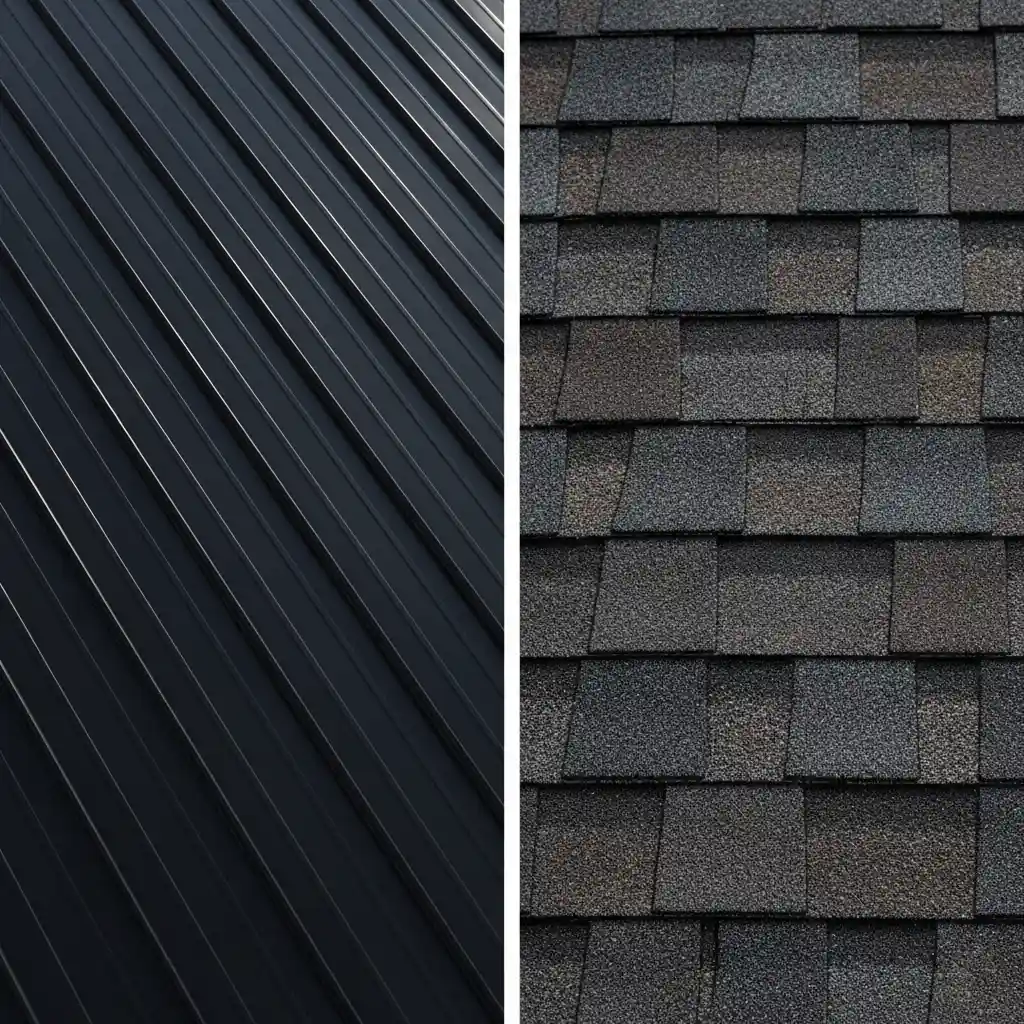
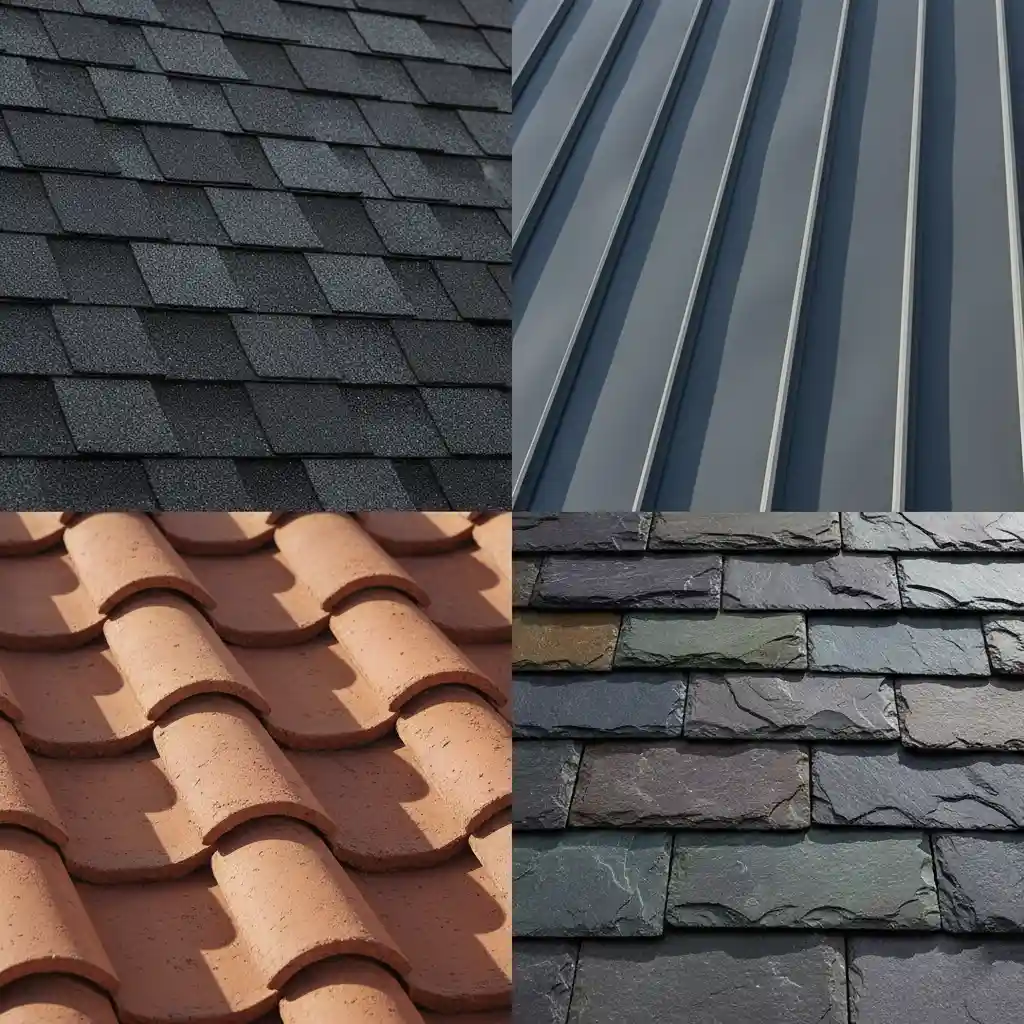
Asphalt shingles cover about 80% of homes in North America. They are affordable, versatile, and easy to install. There are two main types: 3-Tab Shingles (flat, budget-friendly) and Architectural Shingles (dimensional, durable).
-
Average Lifespan: 15 – 30 Years
-
Best For: Most residential homes, budget-conscious homeowners.
Pros & Cons
| ✅ Pros | ❌ Cons |
| Most affordable roofing option. | Shorter lifespan compared to metal or tile. |
| Wide variety of colors and styles. | Can be damaged by high winds or hail. |
| Easy to repair (individual shingles can be replaced). | Not the most eco-friendly (petroleum-based). |
2. Metal Roofing (The Durable Contender)
Metal roofing has surged in popularity due to its incredible durability and energy efficiency. Common styles include Standing Seam (sleek, modern look) and Metal Shingles (mimics wood or slate). Materials range from steel and aluminum to copper.
-
Average Lifespan: 40 – 70 Years
-
Best For: Homes in extreme climates (snow, fire-prone areas), modern aesthetics.
Pros & Cons
| ✅ Pros | ❌ Cons |
| Extremely durable; fire and rot resistant. | Higher upfront cost (2-3x cost of asphalt). |
| Energy efficient (reflects solar heat). | Can be noisy during rain (without proper insulation). |
| Low maintenance requirements. | Difficult to repair if panels are dented. |
3. Clay & Concrete Tiles (The Southwest Staple)
You’ll often see these on Spanish or Mediterranean-style homes in Florida, California, and Texas. They are heavy, incredibly tough, and distinct in appearance.
-
Average Lifespan: 50 – 100 Years
-
Best For: Hot, dry climates and homes with strong structural support.
Pros & Cons
| ✅ Pros | ❌ Cons |
| Immune to rot and insect damage. | Very heavy; requires reinforced roof structure. |
| Excellent insulation properties. | Expensive to install. |
| Non-combustible (Class A fire rating). | Tiles can crack if walked on. |
4. Slate (The Luxury Standard)
Slate is natural stone mined from the earth. It is arguably the most beautiful and longest-lasting roofing material available, but it comes with a premium price tag.
-
Average Lifespan: 75 – 100+ Years
-
Best For: Historic homes, luxury estates, and “forever” homes.
Pros & Cons
| ✅ Pros | ❌ Cons |
| Unmatched natural beauty and curb appeal. | The most expensive roofing material. |
| Can last over a century. | Extremely heavy; requires specialized framing. |
| Eco-friendly (natural material). | Needs specialized masons for installation/repair. |
5. Wood Shakes & Shingles (The Natural Look)
Usually made from cedar, redwood, or pine. Wood shingles are machine-cut and tapered, while wood shakes are hand-split for a rustic, textured look.
-
Average Lifespan: 25 – 40 Years (with maintenance)
-
Best For: Cottages, bungalows, and historic homes.
Pros & Cons
| ✅ Pros | ❌ Cons |
| Beautiful, natural weathering (turns silver-gray). | High maintenance (needs cleaning/sealing). |
| Good natural insulation. | Susceptible to rot, mold, and insects. |
| Adds unique character to the home. | Fire risk (unless treated); banned in some fire zones. |
Summary: Quick Comparison Table
Use this table to compare the materials side-by-side based on what matters most to you.
| Material | Cost Level | Lifespan | Maintenance | Fire Rating |
| Asphalt Shingles | $ (Low) | 20 Years | Moderate | Good |
| Metal (Steel) |
$ (Med-High) |
50 Years | Low | Excellent |
| Concrete Tile |
$ (Med-High) |
50+ Years | Low | Excellent |
| Wood Shake |
$ (High) |
30 Years | High | Poor/Fair |
| Natural Slate |
$ (Very High) |
100+ Years | Low | Excellent |
How to Choose? 3 Factors to Consider
Before you fall in love with a specific look, consider these practical factors:
-
Your Budget:
If you plan to move in 5-10 years, the return on investment (ROI) of a slate roof might not be worth it. Asphalt shingles offer the best value for short-to-medium term ownership. -
Your Local Climate:
-
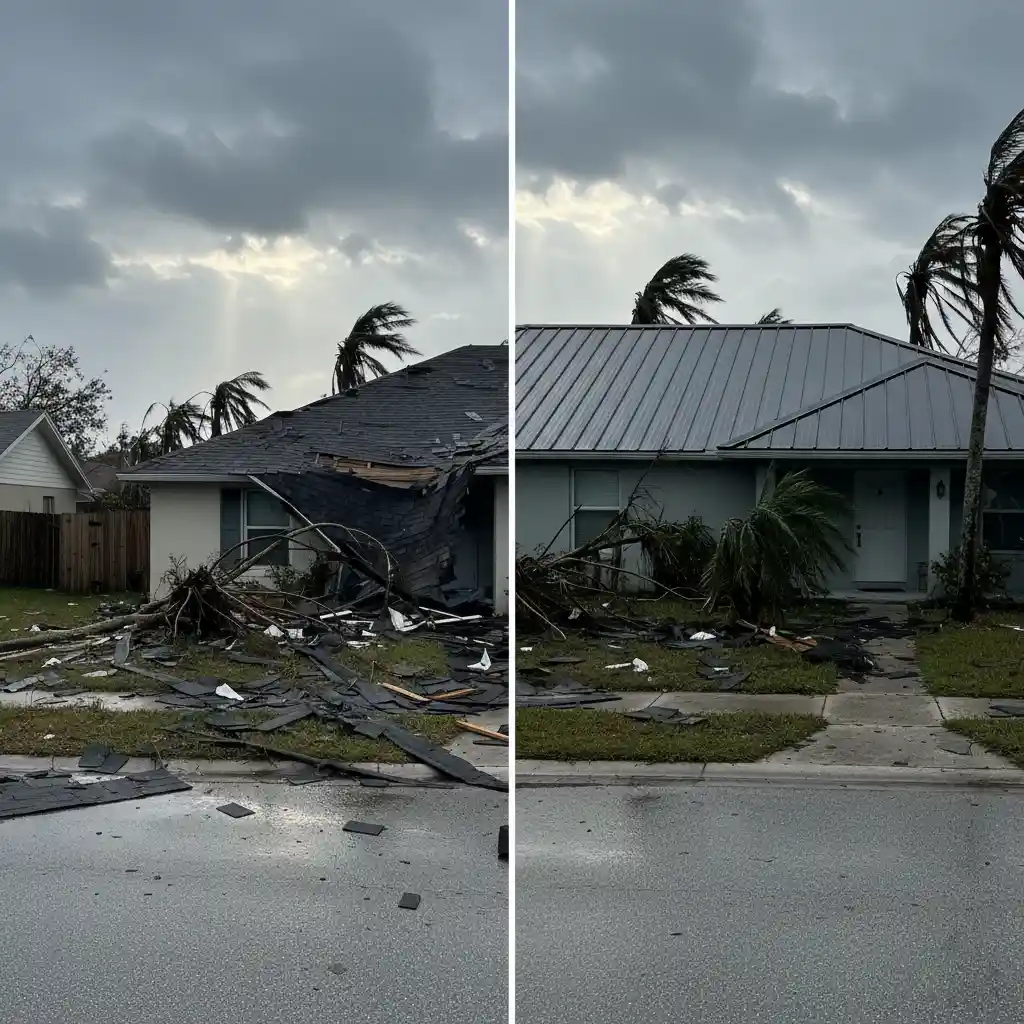
High Wind/Storms: Metal offers the best wind resistance.
-
High Heat/Sun: Clay tiles or light-colored metal reflect heat best.
-
Snow: Metal allows snow to slide off easily, preventing ice dams.
-
-
HOA Restrictions:
Always check with your Homeowners Association. Many neighborhoods restrict roofing materials to maintain a uniform look (often requiring asphalt shingles).
Choosing the right material is a balance between what you can afford today and how long you want the roof to last. Whichever material you choose, the quality of the installation is just as important as the product itself. Always ensure your contractor is experienced with the specific material you select.